
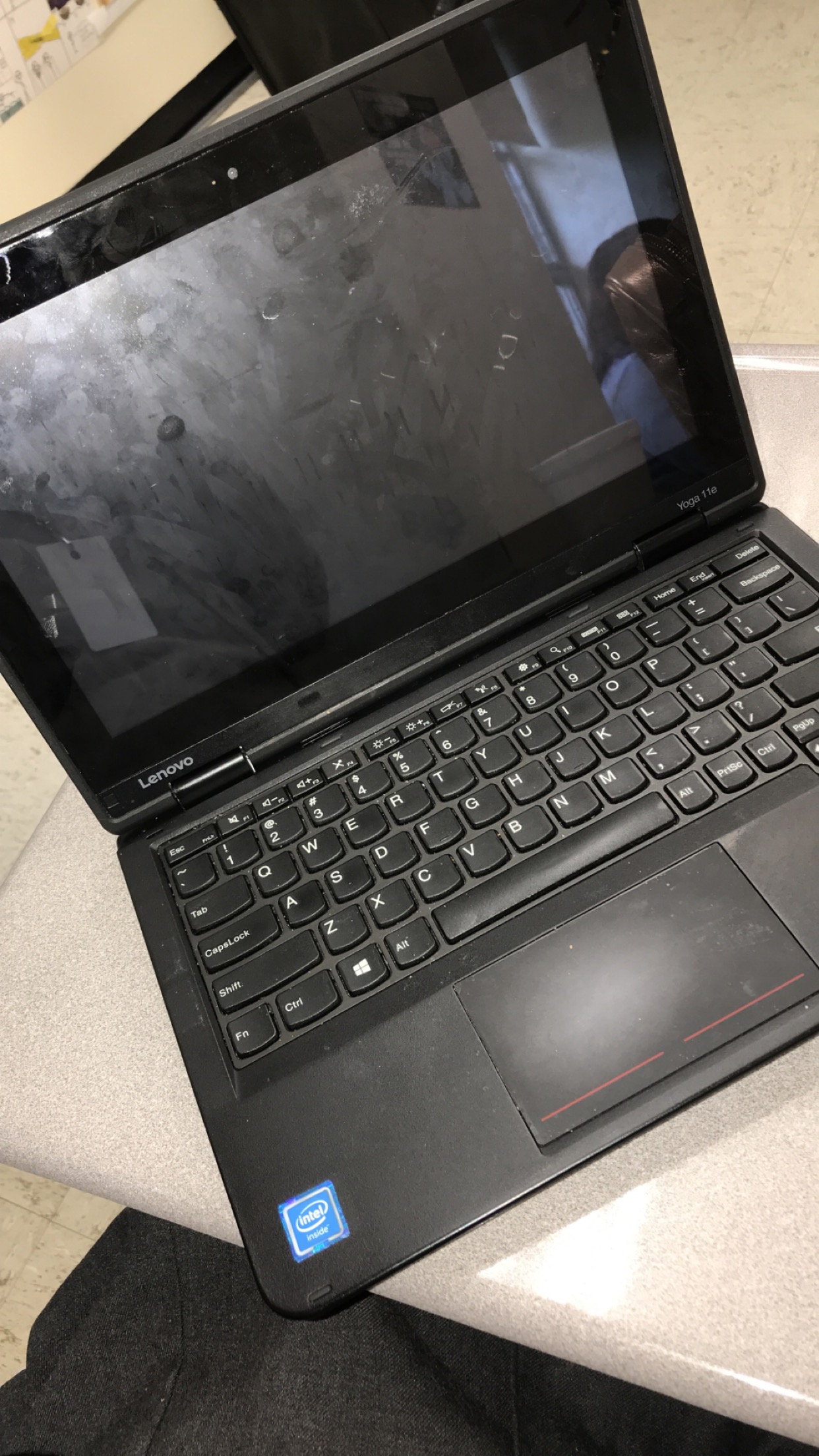
A laptop represents the advancement in American technology.
The Contemporary era started in 1945 and is continues to this day. In the beginning of this period, writers began to accept war as a madness that is inevitable. They understand that there is nothing they can do to stop war and began to accept it. Multiple wars occurred in this period, such as The Vietnam War, The Cold War, The Korean War, and The Persian Gulf War. Although Americans hated war, they accepted it as part of humanity.
People also began to correct history. Writers were brutally honest and wrote what most were afraid to hear. New writing of thoughts and ideas concerning the LGBTQ community surfaced, sprouting new conversations.
Diversity was also mainstream. Minorities began to demand respect in the 1950s. The Civil Rights Movement successfully progressed, as did women suffrage. Stories of the oppressed, such as Native Americans and African Americans, began to be heard and shared.
With people gaining new rights and privileges, American technology and digital publicity progressed. Americans became optimistic and hopeful, with new feelings of pride and freedom.
In 1991, The USSR collapsed. Being that the USSR was much larger and advanced than the United States of America, Americans began to become fearful. Americans realized nothing was permanent. At the same time, many had pride because America had yet to fall.
Three novels from the Contemporary era are The Color Purple by Alice Walker, Copper Sun by Sharon Draper, and The Help by Kathryn Stockett. Two poems are The Giving Tree by Shel Silverstein and Dr.Seus’s Horton Hears a Who! One short story is the collection of stories, The Skeleton Crew by Stephen King.
 American Literature